

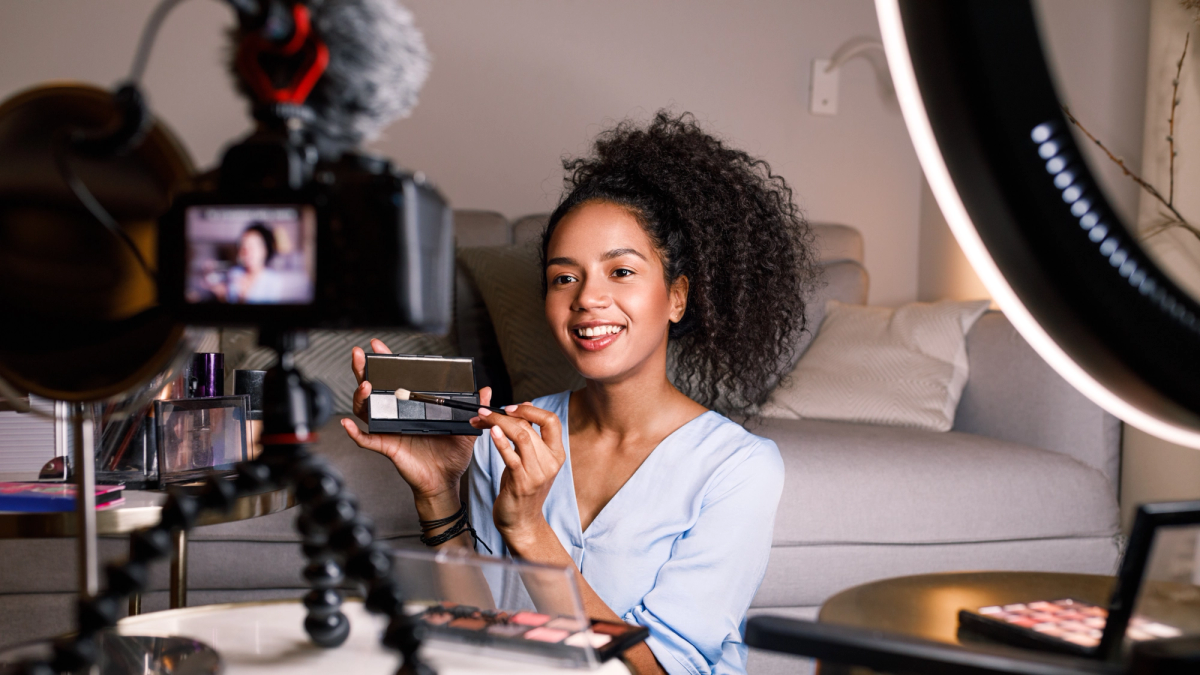
Learn how to use influencer marketing for retail growth in 2026. Proven strategies to build trust, reach new buyers, and drive consistent product sales.
There is a reason the most trusted recommendation in the world still comes from a person, not a billboard. When someone you follow, admire, or trust tells you a product changed their life, you listen differently. Influencer marketing takes that human truth and scales it far beyond what any single advertising campaign can replicate. For any retail business ready to grow, this is one of the most powerful tools available in 2026.
Why Influencer Marketing Works So Powerfully for Retail
The secret behind influencer marketing’s effectiveness is not reach. It is trust, and trust converts. When a creator recommends a product, their audience responds with far more intention than to a paid ad. Nielsen’s consumer trust research found that 92% of consumers trust organic recommendations from people they follow over traditional advertising.
Influencer marketing bridges the gap between your product and buyer confidence, often at a lower cost than other channels. Retail businesses that embrace influencer partnerships access communities that would take years to build independently.
How to Build an Influencer Marketing Strategy That Delivers Results
- Start With Micro-Influencers, Not Celebrities
The biggest mistake most businesses make when entering influencer marketing is chasing follower counts over genuine engagement. A creator with 200,000 passive followers will rarely outperform one with 8,000 deeply engaged, loyal, and niche-specific fans.
HubSpot’s influencer marketing guide explains that micro-influencers consistently deliver higher engagement rates than mega-influencers. Their audiences feel a personal connection to them, which means product recommendations feel like advice from a trusted friend. Start by identifying five to ten micro-influencers in your product niche and study how their audience engages with their content.
- Choose Influencers Whose Audience Matches Your Ideal Customer
An influencer with a million followers in the wrong niche is a million reasons to waste your budget without results. The alignment between an influencer’s audience and your ideal customer is the single most important factor in any partnership. Sprout Social’s influencer strategy page highlights that audience-brand fit determines whether a campaign converts or generates empty impressions. Ask yourself honestly: would the people watching this content genuinely benefit from and want what my business offers?
- Build Genuine Relationships, Not Transactional Campaigns
Influencer marketing works best when it feels like a real endorsement, not a forced paid placement. Later’s creator partnership guide shows that long-term influencer relationships generate stronger trust and conversions than one-off campaigns.
- Track Market Trends to Stay Ahead of the Influencer Landscape
Influencer marketing evolves quickly, and the platforms, formats, and creator types that work best shift with market trends continuously. Hootsuite’s social media trends guide shows that video content generates higher engagement than static posts across all major platforms. A business that adapts its influencer strategy to current trends will consistently outperform one stuck with last year’s approach.
Measure Every Campaign and Optimize Continuously
Running an influencer campaign without tracking results is like driving without looking ahead. Every partnership you fund should be evaluated against clear, pre-agreed metrics tied to your specific business goals. Mailchimp’s campaign tracking guide shows how tracking clicks and conversions gives you the data to improve every future investment. The retail businesses growing fastest test, learn, and continuously improve their influencer strategy.
Quick Actions to Launch Your Influencer Strategy This Week
Here are practical steps to begin your influencer marketing journey right now:
- Search relevant hashtags in your product niche on Instagram and TikTok to identify five genuine micro-influencers
- Review each shortlisted creator’s last ten posts and assess engagement quality, authenticity, and audience alignment.
- Send a warm, personalized outreach message that focuses on the value of the partnership rather than just your needs.
- Prepare a product sample and a clear brief that gives the creator creative freedom within your brand guidelines.
- Set up a unique tracking code for your first campaign and define the metrics you will use to measure success.
Free Resources to Grow Your Business Further
Explore these practical guides at ThisIsBusiness360:
Frequently Asked Questions
What is influencer marketing, and how does it work for retail? Influencer marketing involves partnering with trusted online creators to promote your products to their engaged audiences. The creator shares genuine content featuring your product, and their audience responds based on the trust they have built together.
How much does influencer marketing cost for a small retail business? Micro-influencer partnerships can range from free product exchanges to modest paid fees, making it accessible at almost any budget. Later’s influencer pricing guide breaks down realistic compensation expectations by influencer tier and platform type.
How do I know if an influencer is the right fit for my brand? Study their content, comment section, audience demographics, and the tone of engagement their posts generate consistently. The right fit means their audience matches your ideal customer in terms of age, interests, values, and buying behavior. Authenticity matters most.
Our team at ThisIsBusiness360 is here to help you build a strategy that drives trust, reach, and consistent revenue growth.
Call us now: +234 806 496 8725
Visit our website: www.thisisbusiness360.com
Take action today. The right creator partnership could be the turning point your business has been building toward.