

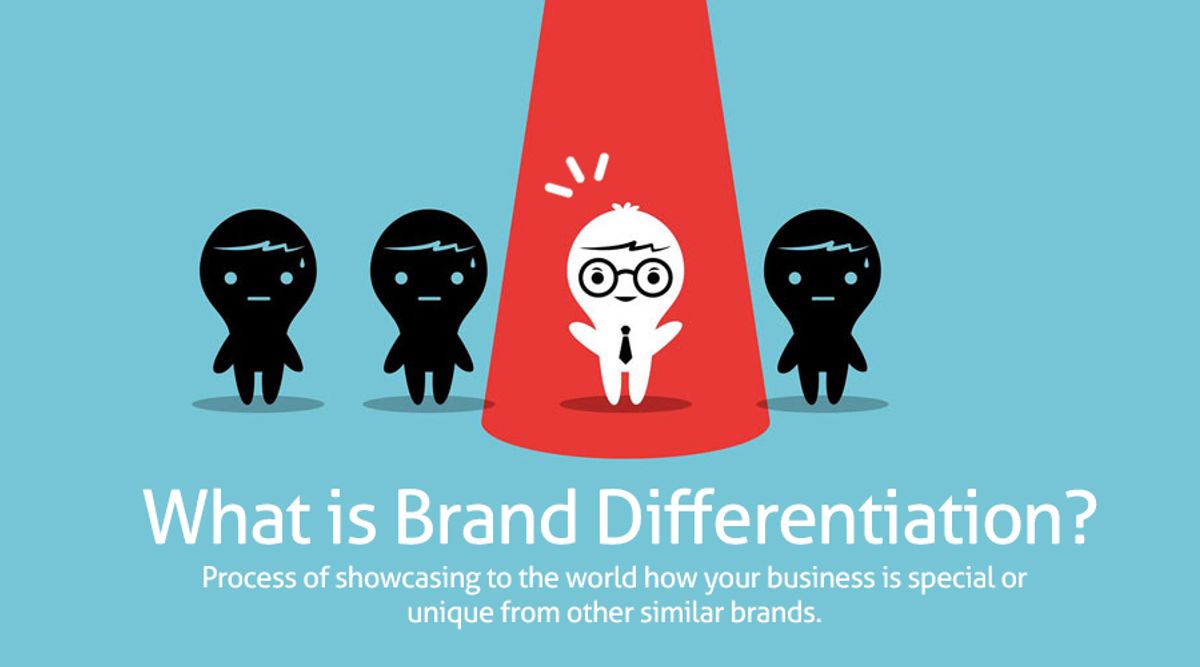
Retail Branding Strategies that build recognition and loyalty are your biggest competitive edge. Learn how to brand your business so customers always choose you.
Retail branding strategies are the difference between a business customers remember and one they forget the moment they walk out the door. In a market where more options compete for consumer attention than ever before, your brand is the signal that cuts through the noise, creates emotional connection, and gives customers a reason to return rather than defaulting to whoever appears most convenient at the next purchase.
Strong branding does not happen by accident. It is built deliberately, maintained consistently, and communicated with the clarity and confidence that turns casual buyers into loyal advocates who choose your business without needing to be convinced each time.
This article breaks down the branding strategies that most effectively differentiate businesses from their competitors, build lasting customer recognition, and create the commercial advantage that advertising alone cannot replicate at comparable cost or depth.
Why Branding Is a Business Investment, Not a Design Exercise
Many business owners treat branding as a one-time visual project completed at launch and revisited only when the logo starts to look dated. This misunderstanding costs businesses revenue at every stage of their commercial journey because it confuses branding, which is the total perception your market holds about your business, with brand identity, which is simply the visual and verbal expression of that perception.
Your brand is what customers say about your business when you are not in the room, and shaping that conversation deliberately is the core work of effective branding strategy.
The Interbrand Global Brand Valuation report consistently demonstrates that the world's most commercially successful businesses are also its most recognized and trusted brands, confirming that brand strength and financial performance are not coincidental but directly connected through the purchasing behavior of customers who choose familiar, trusted options over unknown alternatives when faced with genuine choice.
Core Retail Branding Strategies That Drive Differentiation
Define Your Brand Positioning With Ruthless Clarity
Brand positioning answers the most important commercial question your business faces: why should a customer choose you over every alternative available to them? The answer cannot be "we offer good quality at a fair price," because every competitor claims the same.
Your positioning must identify the specific customer you serve most effectively, the specific problem you solve better than anyone else, and the specific way your business delivers value that creates a genuinely different experience from anything available elsewhere in your market.
Harvard Business Review's research on brand positioning strategy highlights that businesses with clear, differentiated positioning consistently outperform those competing on generic attributes, particularly in markets where product and price parity make emotional and experiential differentiation the primary determinant of customer preference.
Write your brand positioning statement in a single, specific, memorable sentence. Test it with customers who represent your ideal audience. If they can complete the sentence themselves after hearing it once, your positioning has the clarity it needs to do commercial work in the market.
Build Visual Consistency Across Every Touchpoint
Visual inconsistency is a silent trust killer. When your social media profile looks different from your packaging, which looks different from your storefront, customers experience cognitive dissonance rather than recognition. That dissonance undermines confidence in ways customers cannot always articulate, but they consistently act on it by choosing businesses whose visual presence feels more coherent and therefore more reliable.
Nielsen's research on brand consistency and consumer trust confirms that consistent brand presentation across channels significantly increases both brand recall and consumer purchase intent, making visual consistency one of the highest-return branding investments available to businesses at any scale or stage of development.
Develop a simple brand style guide that specifies your exact color codes, approved typography, logo usage rules, and photography style. Apply it without exception across every customer-facing material, from your WhatsApp Business profile image to your delivery packaging to your receipts and invoices.
Create a Brand Voice That Sounds Like a Person, Not a Policy
How your business communicates, the words you choose, the tone you adopt, and the personality you express across every written and spoken interaction either builds or undermines the emotional connection that turns transactions into relationships.
Customers increasingly choose brands they like talking to, and brands that communicate with warmth, clarity, and genuine personality consistently outperform those hiding behind corporate formality in their customer communications.
Sprout Social's research on social media brand communication shows that consumers are more likely to purchase from and recommend brands that communicate with a human, relatable voice across digital channels, confirming that brand voice is not a soft branding concept but a commercially measurable differentiator in competitive markets.
Define three to five personality traits that describe how your brand communicates, such as warm, direct, expert, playful, or reassuring, and ensure that every piece of customer-facing communication reflects those traits consistently.
Practical Branding Actions to Take This Week
Staying current with evolving market trends in customer expectations and competitor brand development is what keeps your branding strategy relevant rather than stale in markets that shift continuously. Here are concrete branding actions any business can begin immediately:
- Conduct a brand audit: Review every customer-facing asset your business has produced in the last six months and assess whether it reflects a consistent, recognizable brand identity across color, typography, tone, and messaging.
- Clarify your brand story: Articulate why your business exists, what it stands for, and who it serves in a narrative that is authentic, specific, and memorable enough to be shared easily by both your team and your customers.
- Invest in professional visual assets: A quality logo, a consistent color palette, and professional photography specific to your brand context deliver commercial returns through improved customer confidence that generic or inconsistent visuals cannot produce.
- Train your team on brand standards: Every person who interacts with your customers is a brand ambassador. Ensuring they understand and embody your brand values in those interactions is as important as any visual branding investment you make.
- Gather brand perception data: Ask your current customers what three words they would use to describe your business, then compare their answers to the brand attributes you intend to project. The gaps reveal your most important branding priorities.
Monitoring Brand Performance and Market Position
Brand building is not a one-time project. It is an ongoing discipline that requires regular assessment of how your target market perceives your business relative to the alternatives they consider. Monitoring market trends in customer preference, competitor brand activity, and category expectations keeps your brand strategy calibrated to current commercial reality rather than the market conditions that existed when you last conducted a brand review.
Kantar's Brand Equity research provides updates on how brand equity influences commercial resilience during difficult economic periods, demonstrating that strong brands consistently outperform weaker competitors on revenue retention and customer loyalty when market conditions tighten.
Edelman's Brand Trust research offers additional evidence of how consumer trust in brands drives purchasing behavior and advocacy, reinforcing the commercial case for investing in brand building with the same seriousness you bring to product development and marketing spend.
Frequently Asked Questions
How long does it take to build a strong, recognizable brand? Meaningful brand recognition typically develops over six to twelve months of consistent, deliberate brand expression across all customer touchpoints, though the foundation can be established much faster with clear positioning and professional visual assets.
How much should a small business spend on branding? Branding investment scales with business size, but even modest budgets invested in clear positioning, a professional logo, and consistent visual assets deliver measurable returns through improved customer confidence and purchase conversion rates.
What is the most important element of a strong retail brand? Consistent positioning clarity, knowing exactly who you serve and what uniquely valuable thing you offer them, is consistently the most commercially impactful branding element because it guides every other branding decision in the right direction.
How do I know if my branding is working? Track brand awareness through customer feedback, monitor repeat purchase rates as a loyalty indicator, and assess whether new customers arrive already knowing who you are and what you stand for, which indicates that your brand is doing commercial work in the market.
Can a small business compete with larger brands through better branding? Absolutely. Clarity, consistency, and authentic personality in brand communication give smaller businesses advantages that larger, more generic competitors often cannot replicate, particularly in local and niche markets where relatability and community connection matter most.
Your Brand Is Working for You or Against You Right Now. Make Sure It Is Working.
Every customer interaction, every visual asset, every social media post, and every conversation your team has with a buyer is either building the brand that brings customers back or creating the inconsistency that makes them indifferent. Deliberate branding strategy is not about spending more. It is about communicating more clearly, more consistently, and with more genuine personality than the alternatives your customers are comparing you against.
ThisIsBusiness360 is here to help you build a brand that does real commercial work for your business every single day.
- Call us today: +234 806 496 8725
- Visit our website: www.thisisbusiness360.com
Your brand is your most durable competitive advantage. Start building it with intention, consistency, and the strategic clarity that turns recognition into revenue.