

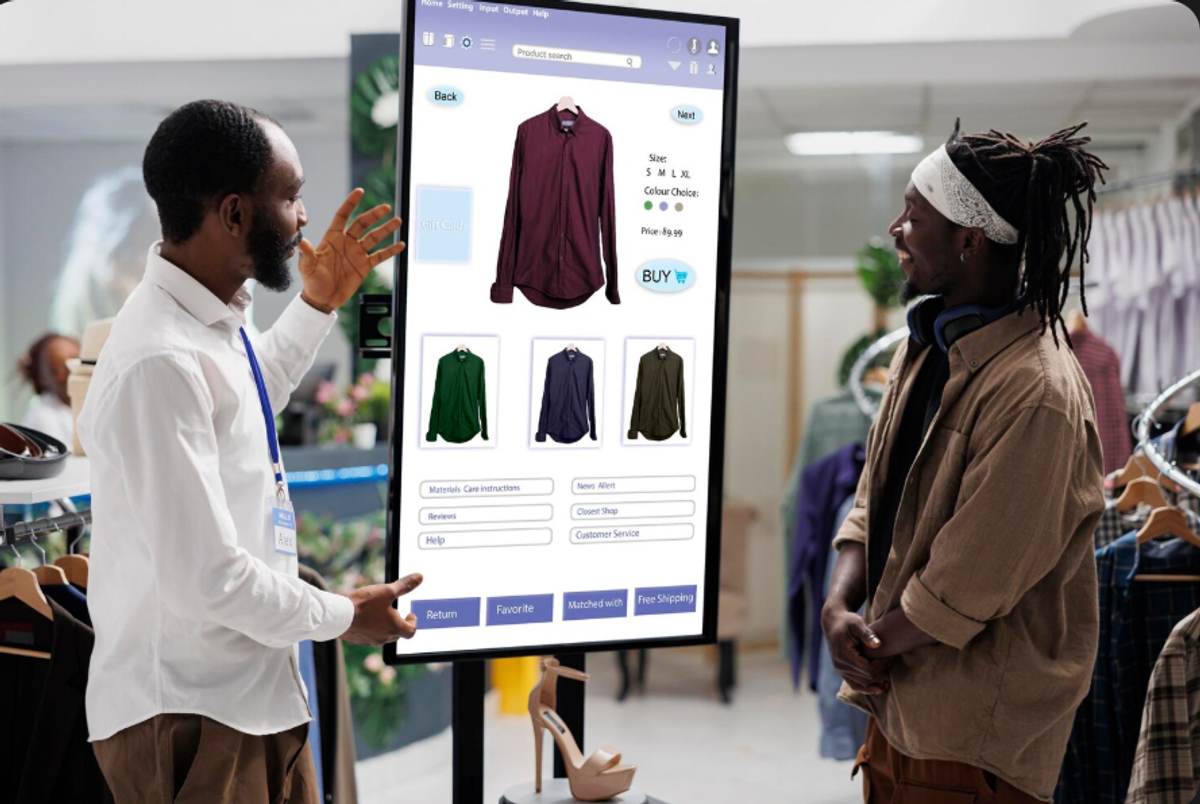
Retail Technology Trends are changing African commerce faster than ever. Discover the innovations smart business owners are adopting to compete and win today.
Retail technology trends are no longer a conversation reserved for large multinationals with enterprise budgets and dedicated innovation teams. They are active, commercially accessible, and increasingly determining which African businesses grow with certainty and which plateau despite authentic market demand.
The convergence of mobile technology, artificial intelligence, digital payments, and data analytics is creating a retail innovation environment where early adopters build durable competitive advantages. At the same time, those that delay find themselves defending market positions with tools their customers have already moved beyond.
Understanding where retail technology is heading and which innovations are most commercially relevant for African business contexts gives entrepreneurs the strategic perspective to invest in the right capabilities in the right time rather than chasing trends after their most valuable competitive windows have already closed.
Why Technology Adoption Is Now a Competitive Necessity for African Commerce
The expectation gap between what African consumers now experience as standard in their digital lives and what many businesses still offer in their physical and online commerce environments is widening rapidly. Consumers who complete mobile money transactions in seconds, track deliveries in real time, and receive personalized product recommendations from apps they use daily arrive at businesses still relying on manual inventory management and paper receipts with measurably lower patience and tolerance for operational friction.
Statista's African e-commerce market research documents the consistent growth of Africa's digital commerce market and the rising purchaser expectations that are driving that growth, confirming that technology adoption is not an aspirational enhancement for African businesses but a progressively urgent commercial requirement for any company seeking to compete effectively for the attention and spending of a digitally sophisticated consumer base.
Trend 1: AI-Powered Personalization and Customer Intelligence
Artificial intelligence is changing how businesses understand and serve their customers by enabling personalization at scale and with precision that human-managed customer relationships cannot duplicate. AI tools analyze purchasing patterns, browsing behavior, and demographic data to deliver product recommendations, targeted promotions, and customized communication that converts more browsers into buyers and more buyers into loyal repeat customers.
McKinsey's personalization research documents that businesses delivering genuinely personalized customer experiences consistently achieve higher conversion rates, stronger customer retention, and measurably better revenue per customer than those relying on generic, one-size-fits-all marketing and product presentation approaches that treat all customers as equally likely to respond to the same message.
Trend 2: Unified Commerce and Omnichannel Integration
Customers in 2026 do not distinguish between your online store, your physical location, your WhatsApp Business account, and your social media shop. They experience all of these as expressions of a single business, and they expect consistency, inventory accuracy, and service quality to be identical regardless of which channel they use to interact with or purchase from you.
Google's consumer insights on multichannel shopping behavior confirm that African consumers regularly use multiple channels before completing a single purchase, making omnichannel integration not a premium customer experience enhancement but the baseline operational requirement for any retail business seeking to serve how its customers actually shop rather than how the business finds it convenient to sell.
Trend 3: Contactless and Mobile-First Payment Experiences
Payment experience quality has become a primary determinant of purchase completion rates across African digital commerce. Customers who encounter friction at checkout, whether by limited payment method options, slow processing, or complicated authentication steps, abandon purchases at rates that represent direct, measurable revenue loss for businesses that have not optimized their payment infrastructure for mobile-first, multi-method acceptance.
The GSMA Mobile Money State of the Industry Report documents the continued expansion of mobile payment uptake across African consumer markets, confirming that businesses whose payment acceptance infrastructure does not encompass the mobile wallet options their customers use daily are creating avoidable friction at the exact moment when purchase intent is highest, and the transactional barrier should be lowest.
Trend 4: Real-Time Inventory Management and Supply Chain Visibility
Inventory accuracy has always mattered, but the connected commerce environment increases the cost of inventory errors to levels that manual management systems cannot consistently prevent. A customer who orders online and arrives in-store to discover the item is out of stock, or who is oversold a limited product because physical and digital inventory counts were not synchronized, experiences a service failure that damages trust in ways that promotional spending cannot easily repair.
Shopify's retail operations research stresses real-time inventory harmonization across channels as one of the most commercially impactful operational improvements available to retail businesses managing both physical and digital sales simultaneously, with inventory accuracy enhancements translating directly into reduced fulfillment errors, lower customer service costs, and stronger repeat purchase rates.
Trend 5: Data Analytics for Smarter Business Decisions
Tracking market trends through business data analytics is the intelligence practice that keeps retail businesses strategically calibrated to current commercial reality rather than decisions made on last season's assumptions. Analytics tools that reveal which products drive the most margin, which marketing channels deliver the highest-quality customer traffic, and which customer segments represent the highest lifetime value give business owners the decision intelligence that intuition-only management cannot provide with similar accuracy.
Google Analytics remains the easiest access point for retail businesses building data-informed decision-making capabilities, providing extensive traffic, behavior, and conversion analysis at no cost with the analytical detail that most growing businesses need before investing in premium analytics platforms.
Trend 6: Conversational Commerce Through Messaging Platforms
WhatsApp Business, Instagram Direct, and similar messaging platforms are becoming primary commerce channels for significant portions of African consumer populations who prefer making purchases through the messaging environments they already use daily rather than navigating dedicated e-commerce websites that require additional steps and authentication.
We Are Social's Digital 2024 Africa Report provides updates on messaging platform adoption and shopping behavior throughout African consumer markets, confirming this conversational commerce through WhatsApp and social messaging channels represents one of the most significant retail technology opportunities for African businesses to seize consumer spending that is actively flowing through these channels.
Practical Steps for Adopting Retail Technology Trends
Here is how businesses should approach retail technology adoption strategically rather than reactively:
- Prioritize integration over addition: Each technology tool you add should connect to your existing systems rather than creating a new data silo. Integration multiplies the value of each tool by enabling them to share intelligence.
- Start with the customer experience gap: Identify where your customers currently experience the most friction in doing business with you, then adopt the technology that specifically addresses that gap before investing in enhancements to areas already performing well.
- Measure impact before expanding: Implement one technology improvement at a time, establish baseline metrics before launch, and evaluate impact against those baselines before committing to additional tools or expanded deployments.
- Train your team before deploying to customers: Technology that your team does not fully understand produces inconsistent implementation that weakens the customer experience improvements the technology was adopted to create.
Nielsen's consumer belief and technology adoption research documents how consumer confidence in technology-enabled retail experiences builds progressively as businesses show reliability and quality, reinforcing that technology adoption rewards patience and systematic implementation over rapid, underprepared deployments that create more problems than they solve.
Frequently asked questions
Which retail technology trend will have the biggest commercial impact in Africa over the next three years? AI-powered personalization and unified omnichannel commerce are likely to produce the most commercially significant impact, as they address the two most consistent friction points between African consumer expectations and current business delivery capabilities.
How should a small retail business prioritize technology investment with a limited budget? Start with the payment acceptance infrastructure and inventory management tools that directly affect your ability to complete transactions accurately. These basic tools produce the most immediate revenue impact before investing in more sophisticated customer experience or analytics enhancements.
Are retail technology tools affordable for African SMEs in 2026? Many of the most impactful tools are available at low or no cost for early tiers, including Google Analytics, basic WhatsApp Business functionality, and entry-level versions of inventory and CRM platforms. Paid tiers unlock additional capability as business scale justifies the investment.
How do retail technology trends affect customer loyalty in African markets? Technology that reduces friction, improves personalization, and secures consistent service quality across channels builds the trust and preference that translate into higher repeat purchase rates, stronger brand recommendation behavior, and measurably lower customer acquisition costs over time.
What is the most important first step for a retail business beginning its technology adoption journey? Conduct an honest audit of where your current customer experience creates the most friction or disappointment, then identify the specific technology that addresses that gap most directly before building outward toward broader digital transformation investments.
Africa's Commercial Future Is Being Built by Businesses That Adopt Early. Be One of Them.
The retail technology trends shaping African commerce in 2026 and beyond are not creating a level playing field. They are creating a widening advantage for businesses that adopt intelligently and a widening gap for those that delay. The technology is more accessible, more affordable, and more commercially impactful than at any previous point in African business history.
The only question worth asking is not whether your business needs these technologies. It is whether you are building the advantages they offer before your competitors do.
ThisIsBusiness360 is set to guide your retail technology journey with the expertise and future-oriented intelligence your business deserves.
- Call us today: +234 806 496 8725
- Visit our website: www.thisisbusiness360.com
Your most technology-forward chapter starts with the right strategy and the right partner. Build both today while leading your market into Africa's commercial future.