

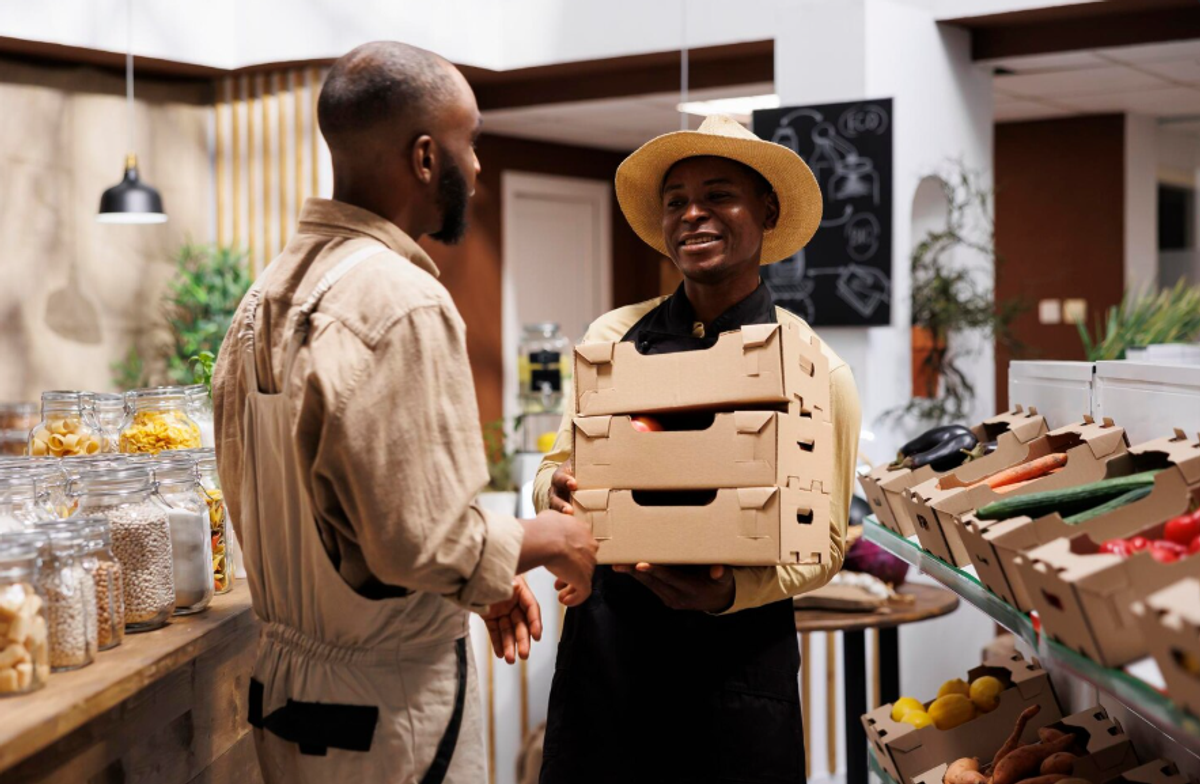
Build a sustainable retail business in Africa with this practical 2026 blueprint. Proven strategies to grow steadily and last for decades.
Quick wins feel amazing in the moment, but they rarely build something capable of surviving a decade of shifting markets. A truly sustainable retail business isn't built on a lucky break or a temporary trend; it's built on solid systems, real community relationships, and decisions designed to last well beyond any single sales spike. If you're just chasing a fast buck, the operational headaches and changing consumer habits will catch up to you sooner rather than later.
Africa's retail market offers an incredible, once-in-a-generation opportunity right now, but it is a deeply unique and complex landscape. It's a space where modern digital trends blend constantly with deeply rooted traditional shopping habits. Because of that, the massive potential here won't be captured by companies looking for a sprint; it will yield rewards only to businesses that take the time to build trust and demonstrate genuine staying power.
The Foundations of a Sustainable Retail Business in Africa
Build Financial Discipline From Day One
Sustainable businesses track their numbers obsessively, not occasionally. Investopedia's cash flow guide explains that regular cash flow monitoring helps businesses identify shortfalls before they become survival threats. Weekly financial reviews, clear margin targets, and disciplined spending protect a business through unpredictable seasons. This habit alone separates businesses that endure economic pressure from those that collapse under it.
Diversify Revenue Across Multiple Channels
Relying entirely on one location or platform leaves a business fragile and exposed. McKinsey's Africa growth insights project that Africa's consumer spending will reach $2.5 trillion by 2030, rewarding multi-channel businesses. Building a store, website, social commerce, and marketplace presence spreads risk while expanding reach. Each additional channel becomes both new revenue and protection against disruption in any single market.
Invest in Genuine Customer Relationships
Sustainable growth depends on customers who return, not just customers who try you once. Salesforce's customer experience research confirms that 88% of customers say experience matters as much as the product itself. Personalized service, fast issue resolution, and consistent quality build the loyalty that withstands competitive pressure. A loyal customer base becomes the steady foundation that protects revenue during slow seasons.
Build Strong Supplier and Local Partnerships
No retail business can sustain itself in isolation from the network that supports it. Forbes, in its article on supplier relationships, explains that strong supplier partnerships unlock better pricing, priority fulfillment, and flexibility during disruptions. Pay suppliers reliably, communicate proactively, and treat every partnership as a long-term relationship rather than a transaction. These relationships become a buffer against supply chain shocks that would otherwise threaten the business.
Adopt Technology That Scales With You
Manual processes that work today become bottlenecks as demand grows. Cin7's inventory management guide shows that integrated systems prevent overselling and give business owners real-time visibility as they expand. Cloud-based tools for inventory, payments, and customer management remove the operational ceiling that limits growth. Technology adopted early becomes infrastructure that supports years of expansion without constant rebuilding.
Track Market Trends and Adapt Continuously
Markets shift, and businesses that ignore the signals fall behind quietly until the gap becomes obvious. Google Trends gives any retailer free, real-time insight into shifting consumer demand worth acting on early. Reviewing market trends monthly and adjusting stock, pricing, and messaging keeps a business relevant as conditions change. This habit of continuous adaptation separates businesses that last decades from those that fade quickly.
Quick Actions to Build Sustainability This Week
Here are practical steps to strengthen your long-term foundation right now:
- Set up a weekly cash flow review using a simple spreadsheet or accounting tool.
- Identify one new sales channel you can test this quarter without major investment.
- Ask three loyal customers what would make them recommend your business to others.
- Review your top supplier relationship and propose one improvement that benefits both sides.
- Check Google Trends for your category and note one shift worth acting on this month.
Frequently Asked Questions
What makes a retail business sustainable in Africa? Sustainability comes from financial discipline, diversified channels, strong relationships, and continuous adaptation to market changes.
How long does it take to build a sustainable retail business? Most businesses build genuine sustainability over three to five years of consistent, disciplined effort.
Is sustainability achievable for small retail businesses with limited budgets? Yes. Sustainability is built through habits and discipline, not necessarily large capital investment.
Build Something That Lasts Beyond This Season
A sustainable retail business is not built overnight, but every disciplined decision moves you closer to lasting success. Start with one foundation from this blueprint today and let consistency carry your business forward for years to come.
Ready to Build a Retail Business That Lasts?
Our team at ThisIsBusiness360 is here to help you build the systems your business needs for the long term.
Call us now: +234 806 496 8725
Visit our website: www.thisisbusiness360.com
Take action today. The businesses that last are the ones that start building sustainability now.