

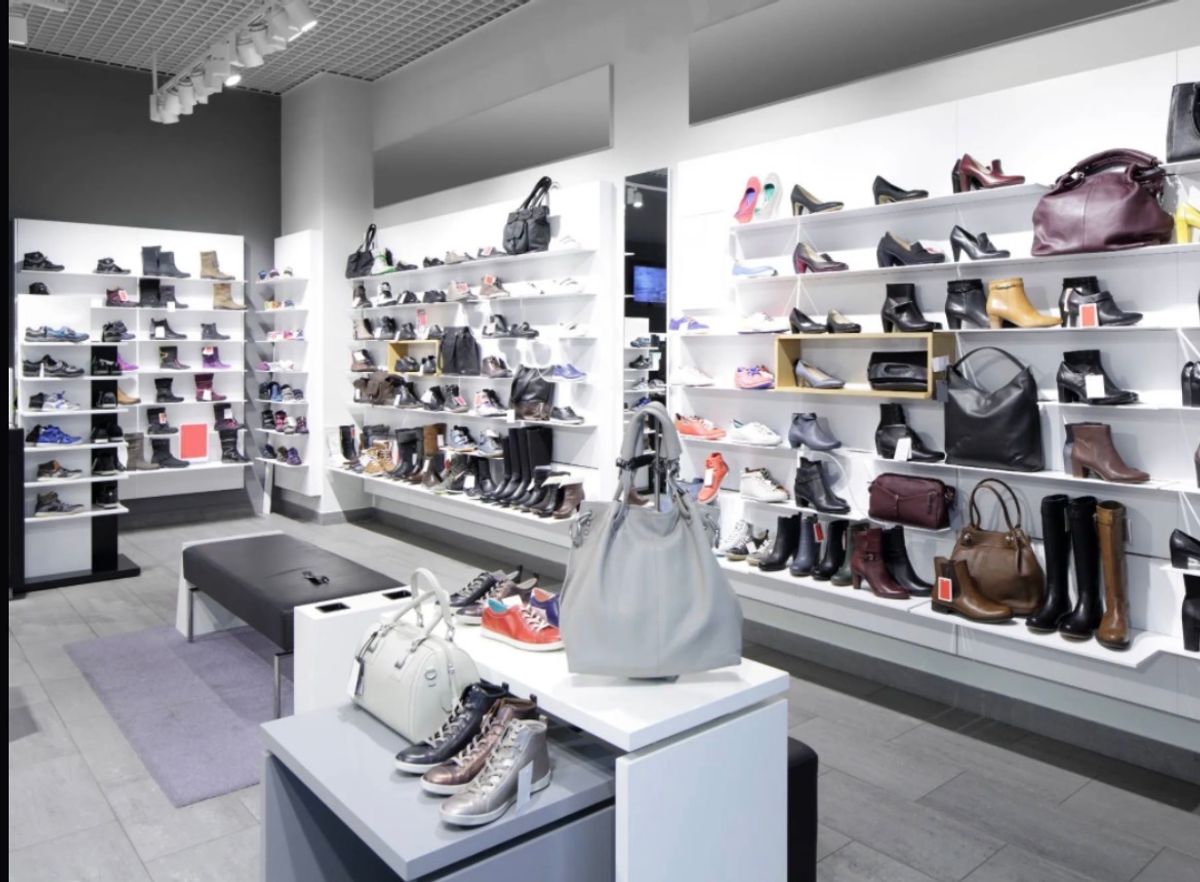
Africa's footwear market is racing past $18 billion. Discover where the boldest retail, manufacturing and investment opportunities are opening up now.
Footwear Market Boom: Africa's Vibrant New Frontier for Bold Retail Riches
Africa's footwear market is no longer a footnote in global retail conversations. It has become one of the most colorful, fast-moving growth stories on the continent. From Lagos boutiques to Nairobi malls, sneakers, sandals and leather shoes are moving off shelves faster than many supply chains can restock them. For entrepreneurs, manufacturers, and investors seeking the next big bet, the signals point to a footwear market ready for serious capital and sharper retail thinking.
The Footwear Market Numbers Investors Cannot Ignore
The scale is already impressive. Africa's footwear revenue reached close to $18.8 billion in 2024, with an annual growth rate of 3.37 per cent projected through 2029, a pace that outruns many mature retail categories. Nigeria alone drives a huge share of that demand, with shoppers there buying an estimated 302 million pairs in a single year, roughly 21 per cent of the continent's total volume. That one figure tells its own story. Whoever earns shelf space and trust in Nigeria captures a meaningful slice of the entire footwear market.
Where Retail Demand Is Sprinting Fastest
Growth is not spread evenly, and that unevenness is exactly where the opportunity lives. Kenya's footwear appetite is climbing quickly, with consumers there averaging 3.9 pairs per person and posting the continent's strongest growth rate near 9.4 per cent. Meanwhile, South Africa's more mature market, valued at $1.76 billion in 2024, is still expected to climb toward $2.52 billion by 2033 on a steady 3.63 per cent annual growth rate, lifted by rising incomes and fast-growing e-commerce adoption. Together, these two markets show the pattern investors love most: one fast-rising frontier paired with one stable, cash-generating anchor.
The Manufacturing Gap Is the Real Opportunity
Retail shelves are filling up, but local production has not kept pace, and that gap is where manufacturers can build lasting value. South Africa's clothing, textile, footwear and leather sector already counts roughly 4,500 manufacturers and enjoys duty free access to the American market under AGOA, yet imports still cover a large share of demand across the continent. The broader leather footwear category across the Middle East and Africa is forecast to grow at a 7.0 per cent CAGR, among the fastest of any global region, even as industry voices continue to flag structural and sourcing challenges holding tanneries back from scaling. For manufacturers willing to modernise tanning, sourcing and quality control, that friction is an invitation, not a warning.
Practical Tips for Entering Africa's Footwear Market
- Study country-level industry and market trends before choosing a launch base. Nigeria, Kenya and South Africa behave very differently and reward different strategies.
- Blend local production with imported inventory to protect margins against currency swings and shipping delays.
- Invest early in e-commerce and mobile payment integration, since online footwear buying is growing faster than physical retail in several markets.
- Build relationships with regional distributors rather than trying to cover the whole continent from a single hub.
- Track leather and raw material supply chains closely, since input access shapes cost structure and pricing power.
Why Timing Matters Right Now
Markets this size rarely stay under the radar for long. Early movers who combine solid data with local partnerships tend to lock in the best distribution deals and retail locations before competition tightens and margins compress. If you want a deeper, ongoing read on where capital is flowing, our industry and market trends coverage tracks these shifts as they happen.
Frequently Asked Questions
QUES: Is Africa's footwear market a good investment right now?
Ans: Current figures suggest strong momentum, with billions in revenue and rising per capita consumption in countries like Kenya and Nigeria, making it an attractive space for patient, well-researched capital.
QUES: Which African countries offer the biggest footwear retail opportunities?
Ans: Nigeria leads on sheer volume, Kenya is the fastest-growing consumer market, and South Africa offers a mature, stable base with strong manufacturing infrastructure.
QUES: Is local manufacturing more profitable than importing footwear into Africa?
Ans: It depends on available capital and scale. Many successful operators blend local production with selective imports while local manufacturing capacity continues to grow.
QUES: How can entrepreneurs get practical help building a footwear retail strategy?
Ans: Working with analysts who monitor pricing, demand and supply data closely can help entrepreneurs avoid costly missteps. You can browse more retail insights on Business360 for hands-on guidance.
Ready to Build Your Footwear Market Strategy?
Africa's footwear market rewards those who move with real data, not guesswork. Whether you are scouting a manufacturing base, planning a retail rollout, or evaluating an investment, getting the entry strategy right the first time saves both money and momentum.
Call us at +234 806 496 8725 or visit our website: www.thisisbusiness360.com for updates, deeper research and hands-on guidance as Africa's footwear business keeps taking bold new steps forward.