

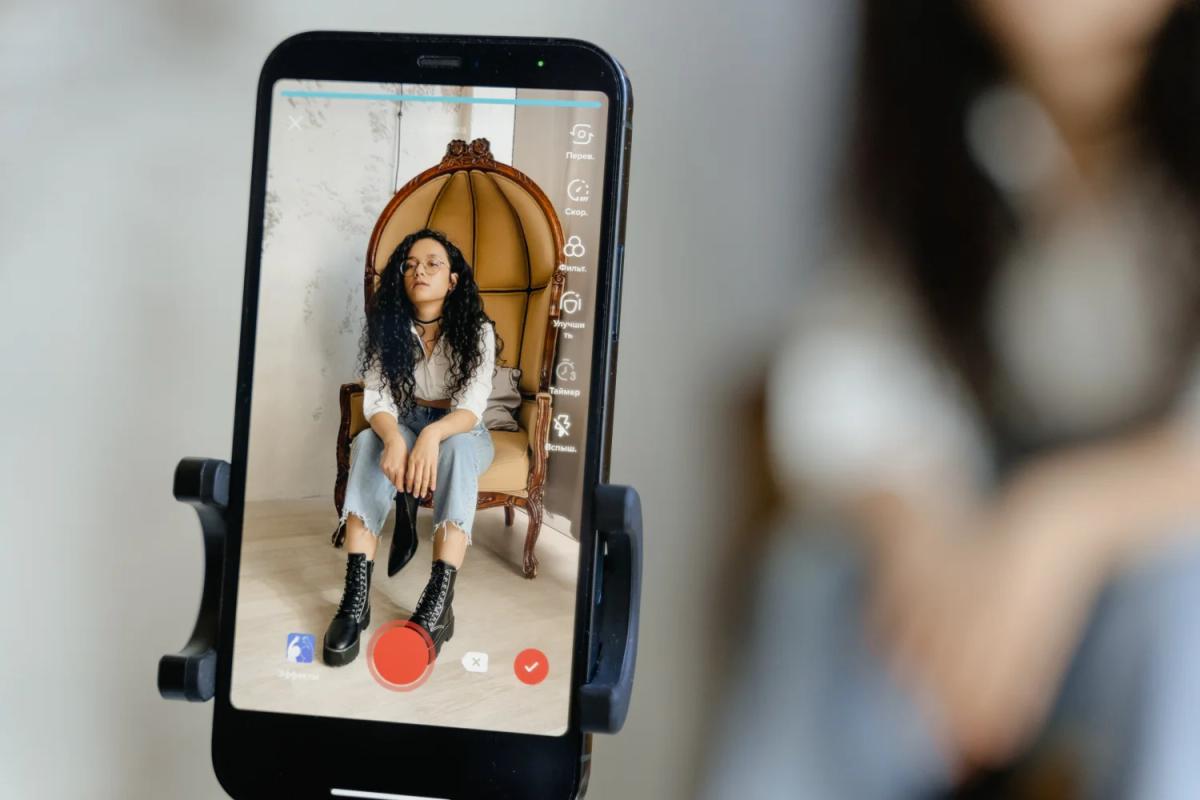
Video marketing that showcases products builds trust and drives sales faster than any other format. Discover the strategies that turn viewers into buyers today.
Using video marketing to showcase products is no longer a strategy reserved for brands with large production budgets and dedicated creative teams. The democratization of video creation through smartphones, affordable editing applications, and social media platforms that actively amplify video content has made high-impact product video accessible to any business willing to invest consistent creative effort rather than significant financial capital.
Businesses that understand how to use video effectively are building the kind of product trust, brand personality, and purchase motivation that static image advertising simply cannot replicate at comparable cost or engagement depth.
Video's fundamental advantage is its ability to show products in motion, in context, and in use, delivering the information that drives purchase confidence in ways photography and text descriptions can approximate but never fully replace. A customer who watches a product being used understands what they are buying with a certainty that a still image cannot provide, which is why conversion rates for video-supported product pages consistently exceed those relying exclusively on static content. Industry research confirms that product pages with video achieve a 65% higher average conversion rate than those without.
Why Video Outperforms Every Other Product Marketing Format
The commercial advantage of video marketing for product promotion stems from how human attention, trust, and purchase confidence work. Video combines visual information, audio communication, demonstrative proof, and narrative engagement in a single experience that activates more cognitive processing than any other content format, producing stronger memory formation, greater emotional response, and more robust purchase conviction than text or image content generates, even when those formats are executed at the highest possible quality level.
Wyzowl’s 2026 State of Video Marketing report documents that 85% of people have been convinced to buy a product or service after watching a video, with video consistently cited as the content format most likely to convince them to buy a product they were already considering. This confirms that video's conversion impact is not marginal but commercially transformative for businesses that consistently integrate it into product marketing.
Video Format 1: Product Demonstration Videos
Product demonstration videos are the most direct conversion-influencing video format available to businesses because they answer the most important pre-purchase question a customer asks: does this product actually do what it claims, and does it do it well enough to justify the price? A well-executed demonstration video that shows a product performing its core function clearly, accurately, and in realistic conditions eliminates the purchase uncertainty that drives cart abandonment and comparison shopping more effectively than any other content type.
HubSpot’s 2026 marketing statistics confirm that the top three ROI driving content formats, according to marketers themselves, are all video-based: short-form video (49%), long-form video (29%), and live streaming video (25%), underscoring that demonstration content on video platforms drives measurable lift in both purchase intent and actual conversion rates across product categories.
Video Format 2: Short Form Social Video for Discovery
Short-form video on TikTok, Instagram Reels, and YouTube Shorts has become the highest-reach organic content format available to businesses across most digital markets, with platform algorithms actively amplifying engaging short video content to audiences well beyond the creator’s existing follower base. This algorithmic amplification creates new customer discovery opportunities at zero media cost for businesses whose short video content achieves the engagement signals that each platform’s algorithm uses to determine which content deserves expanded distribution.
We Are Social’s Digital 2025 Global Overview Report confirms that 87.5% of adults globally watch short-form video each week, and the format ranks among the highest-engagement content categories available to businesses, making it particularly valuable for retail product discovery and brand awareness building in markets where short video adoption is accelerating rapidly.
Video Format 3: Behind the Scenes and Brand Story Content
Behind-the-scenes video content that shows how products are made, selected, or curated builds the authenticity and brand trust that purely promotional content cannot generate. Consumers who understand the story behind a product and the values of the business creating it develop stronger brand preference and greater purchase loyalty than those who know only the product’s features and price.
This trust-building function of video content is particularly commercially significant for businesses competing with lower-cost alternatives that cannot match their quality, provenance, or values. The 2025 Sprout Social Index confirms that authenticity and relatability top the list of what consumers want from brands on social media, and that behind-the-scenes content demonstrating genuine expertise consistently earns stronger engagement than polished promotional content.
The production-value advantage of professionally produced advertising is often outweighed by the authenticity advantage of genuine behind-the-scenes content that shows the human side of a business and its products.
Practical Steps for Building a Product Video Marketing System
Monitoring market trends in video platform algorithm changes, format popularity shifts, and audience behavior evolution ensures your video strategy stays aligned with how your target customers currently consume and engage with video content, rather than how they did twelve months ago when you last reviewed your approach. Here is a practical framework for building consistent product video marketing.
Start with your smartphone: Modern smartphone cameras produce video quality sufficient for high-performing social content. Invest in a simple ring light and a basic tripod before spending on more expensive production equipment, and begin building your video library with the tools you already own.
Create a content series rather than isolated videos: Series formats with a consistent visual identity, recurring segments, or progressive product education build audience habits that generate sustained viewing rather than one-off attention that doesn't compound into relationship development.
Post with consistent frequency: Video algorithm performance correlates strongly with posting consistency. Three to five short videos per week on your primary platform consistently outperform irregular posting of higher-production-value content that lacks the frequency signals platform algorithms reward.
Repurpose each video across multiple platforms: A single vertical product demonstration video can be published as a TikTok, an Instagram Reel, a YouTube Short, and a WhatsApp Status update, multiplying the reach of the production effort across four distribution channels without requiring four separate videos.
Include a clear call to action in every video: Tell viewers specifically what you want them to do next, whether that is visiting your website, sending a WhatsApp message, or visiting your store, and make that action as frictionless as possible by including the relevant contact information or link directly in the video caption.
HubSpot’s 2026 State of Marketing Report provides additional evidence that video content outperforms other marketing formats across engagement, lead generation, and conversion metrics, giving retail businesses the benchmarks they need to evaluate their video marketing results against industry standards and identify improvement priorities.
Research from Wistia’s 2026 State of Video Report shows how video content improves both organic search visibility and direct audience engagement, confirming that video investment produces compounding commercial returns across multiple marketing channels rather than benefiting only the platform where the video is first published.
Frequently Asked Questions
Do I need expensive equipment to create effective product videos? No. Smartphone cameras combined with a good natural or ring light, a stable tripod, and clear audio produce video quality sufficient for high-performing social content. For most business video marketing, production value matters less than content quality, authenticity, and consistency.
Which social media platform is best for retail product video marketing? TikTok and Instagram Reels offer the strongest organic reach for product discovery through their algorithmic amplification, while YouTube is most effective for longer demonstration content and search discovery. The best platform depends on where your target customers spend their video-watching time.
How long should product marketing videos be? Short-form discovery content performs best at 15 to 60 seconds. Product demonstrations can extend to two to three minutes. Educational content and brand stories can sustain engagement up to five to eight minutes when the subject genuinely warrants the longer format for your specific audience.
How many product videos should a retail business post per week? Most platform algorithms reward consistency, so post three to five short-form videos per week on your primary platform, though starting with two to three videos per week and building toward higher frequency as your production workflow develops is a sustainable approach for most small teams.
How do I measure whether my video marketing is actually increasing sales? Track website traffic from video platform referrals, monitor conversion rates on pages with product videos versus those without, measure growth in direct WhatsApp or social media inquiries that reference specific video content, and compare sales of featured products before and after video campaigns.
Your products deserve to be seen in motion. Start showing them that way.
The businesses building the strongest product relationships with their customers through video are not the ones with the biggest production budgets or the most followers. They show up consistently, demonstrate their products honestly, tell their brand story authentically, and treat every video as an opportunity to deepen a customer relationship rather than simply execute a marketing tactic. That orientation, applied consistently over time, turns video marketing from a distribution channel into a genuine commercial growth engine.
ThisIsBusiness360 is here to help you build a video marketing strategy that makes your products impossible to overlook.
Call us today: +234 806 496 8725
Visit our website: www.thisisbusiness360.com
Your best product story has not been told yet. Start telling it through video today with the strategy, guidance, and creative intelligence that turns viewers into loyal, paying customers.