

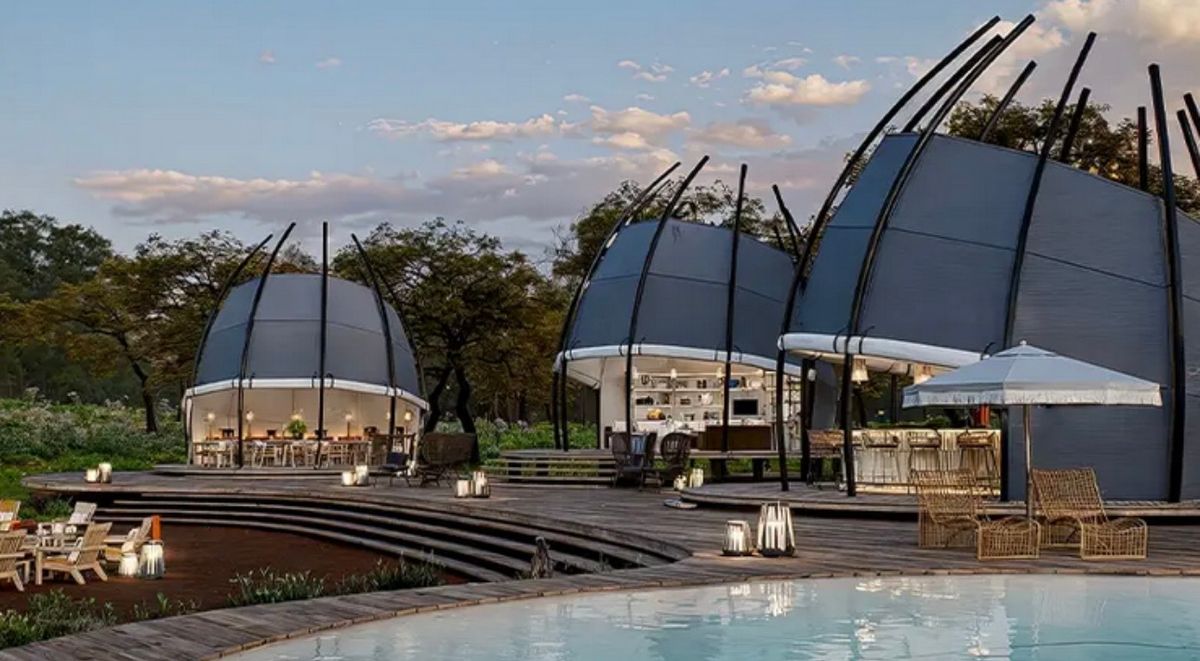
Cut remote safari lodge utility costs by 35% with our step-by-step energy audit guide for sustainable hospitality operations in Africa.
Running a remote safari lodge costs a lot of money. Fuel prices keep going up while guests still expect cool air conditioning and hot water. The good news is that you can cut energy waste by up to 35% this year while protecting nature.
Operating far from the city power grid creates tough daily challenges. Camp managers must balance solar panels, battery banks, and backup generators. Without regular power checks, hidden energy waste silently drains your monthly profits.
Many operators accept high utility costs as an unavoidable part of running a bush camp. However, most wasted power comes from simple fixes like uninsulated roofs or misconfigured equipment. Taking control of your energy use keeps your camp running properly without lowering guest comfort.
This practical guide shows you how to run a simple energy audit. You will learn how to find power leaks, fix waste, and lower your daily running costs.
Map Your Power Baseload
Start your audit by measuring core electricity draw throughout all facilities. Uncontrolled baseloads drain battery banks overnight, which forces early generator starts. Research by the International Renewable Energy Agency (IRENA) shows off-grid commercial hybrid arrangements cut diesel reliance by up to 60% when paired with accurate load tracking. You must define a clear profile of your camp's energy consumption during both peak and off-peak hours.
- Audit the generator setup: Check your generator efficiency thoroughly. Research confirms running diesel generators under 30% capacity causes wet-stacking and reduces fuel efficiency by over 25%.
- Track continuous loads: Measure power draw from deep freezers, ice makers, laundry units, and water booster pumps across all operational hours.
- Gather load logs: Track peak energy hours using smart sub-meters. You can check current market patterns to compare baseline metrics across off-grid commercial systems.
Understanding baseline energy behavior allows camp managers to shift heavy power usage to hours when solar arrays generate surplus electricity.
Inspect Canvas Structure Heat Transfer
Tent canvas loses heat fast in hot climates. Cooling uninsulated tented suites consumes massive power in tropical wilderness zones. A study published by ScienceDirect on thermal performance in tent structures demonstrated that reflective shading flies reduce interior tent temperatures by up to 8°C. To minimize heat transfer, position an outer shade flysheet directly above the main canvas roof layer while continuing an air gap of at least 30cm to reflect up to 80% of solar radiation away from the living zone and insulated inner decking below.
- Inspect flysheet clearance: Ensure a 30cm air gap between the outer flysheet and the main roof to maintain continuous passive airflow.
- Seal structural gaps: Inspect canvas zips, window flaps, and floor joints. Cool air leaks quickly through loose window closures and worn door seals.
- Audit window orientation: Cover western mesh walls with reflective shade cloth to significantly reduce direct afternoon solar heat gain.
Proper thermal management directly reduces air conditioning run-times, keeping guest rooms comfortable while protecting stored battery power.
Optimize Kitchen and Back-of-House Operations
Kitchen equipment creates major power spikes throughout the day. Commercial refrigeration, electric ovens, and dishwashers place heavy demands on isolated microgrids. Data shows that commercial kitchens use up to two times more energy per square foot than standard commercial buildings. Simple operational modifications can greatly lower peak energy demand without altering meal service quality.
- Stagger appliance operation: Do not run heavy water heaters, commercial dishwashers, and ice makers at the same time.
- Inspect cold room seals: Defective door gaskets force refrigeration compressors to run continuously, wasting critical power. Research from the Carbon Trust shows worn door seals increase commercial fridge energy consumption by up to 15%.
- Switch to thermo-dynamic heat pumps: Replace old water geysers. Heat pumps use up to 70% less power than standard electric elements.
Read our complete guide on Solar Power in the Wild: Off-Grid Renewable Power Solutions for Luxury Lodges to discover how modern microgrids can power high-end amenities without diesel generators.
Deploy the 3-Tier Conservation Matrix.
Categorize your audit findings into three definite action phases to ensure high return on investment and definite operational focus.
Start with Tier 1 Quick Wins focused on staff protocols and immediate behavioral transitions. Field audits from the World Bank’s ESMAP program show low-cost operational fixes typically unlock 10% to 15% immediate energy savings. Your imminent operational goal here is to turn off guest water heaters right after check-out and clear overgrown brush around solar PV arrays to maximize solar absorption.
Move next to Tier 2 Retrofits targeting smart controls and targeted equipment upgrades. The primary goal in this phase is installing automated AC cut-off sensors on tent zip doors and swapping back-of-house bulbs to low-wattage LEDs.
Finally, execute Tier 3 Capital Growth for full system integration and renewable energy expansion. Research by BloombergNEF highlights that Lithium Iron Phosphate (LFP) battery costs dropped substantially while delivering 3,000+ deep-discharge cycles, making them the optimal pick for off-grid expansion. The core goal here is upgrading older battery banks to LFP technology and expanding your PV solar arrays to reach maximum energy autonomy.
Track Critical Off-Grid Performance Measures
Continuous monitoring keeps your energy management strategy on track. To track long-term gains across hospitality and tourism operations, calculate your key efficiency numbers monthly.
First, determine your Energy Intensity Ratio by dividing your total kilowatt-hours consumed by the number of occupied guest bed-nights. A lower ratio indicates that your lodge successfully provides a high-end luxury guest experience while continuing a low environmental and energy footprint.
Second, calculate your Fuel Conversion Efficiency by dividing the total liters of diesel fuel spent by the total kilowatt-hours produced. This metric shows how efficiently your backup generators convert raw fuel into usable electrical output, lacking unnecessary mechanical energy loss.
Tracking these key metrics protects your natural surroundings, boosts profit margins, and strengthens sustainable hospitality Africa initiatives across the region.
Frequently Asked Questions
What is the primary benefit of an energy audit for remote camps? It pinpoints structural energy losses, cuts generator fuel bills, extends battery life, and significantly lowers operational downtime.
How often should a wilderness lodge perform a technical audit? Perform a quick operational audit every six months. Conduct a full technical review once every year to account for seasonal shift impacts.
Can luxury comfort be maintained while cutting energy consumption? Yes. Smart occupancy sensors, passive thermal shading, and efficient inverter heat pumps maintain luxury guest comfort while cutting energy waste.
Ready to Cut Energy Waste at Your Lodge?
Partner with our expert technical staff to optimize your power infrastructure today!
Call Us: +234 806 496 8725
Visit Our Website:www.thisisbusiness360.com